leadership

Understanding EBITDA: 3 Key Dental Practice Metrics for Measuring Success

The dental practice industry is rapidly moving toward massive consolidation. Most dental practices operate at 50% of their potential with slim profit margins, typically 15-25%. The root cause of these outcomes is a lack of entrepreneurial focus and understanding of how to operate a business.  

We at Optimize see an urgent problem in this, which is, dentists need to learn quickly how to fulfill their potential, increase profit and build a sustainable exit strategy to protect their assets and retirement prospects. The hard part is…How? How do you increase your potential, while increasing revenue, while building a sustainable exit strategy? That’s a lot.

Think Like an Entrepreneur 

There are many ways to increase revenue, you can scale your business model and open a second or third location; plan and execute an expansion of your practice in another way, like adding an associate or hygienist; or you can implement and aggressive marketing strategy. There are a few effective ways to expand efficiency, fulfill your potential and increase your profit and revenue. And some of these will create a successful exit ramp when you’re ready.  

Measure Twice, Cut Once 

And in dentistry, you need to be measuring, like, all the time. But there is one key metric to look at, gauge and increase as you look to grow, build and exit. It’s called EBITDA.  

This is the one essential financial metric for evaluating the performance of your practice and figuring out what you’re fiscally prepared to take on. EBITDA is a magical formula that allows you to measure the actual and fiscal success of your business. So, what is it?  

What is EBITDA? 

EBITDA stands for Earnings Before Interest, Taxes, Depreciation, and Amortization. It is a financial metric used to measure a company’s operating performance by excluding certain expenses that can vary widely between different businesses. EBITDA provides a clearer picture of a company’s core profitability and operating efficiency. 

dental entrepreneur

Why is EBITDA Important for your Dental Practice? 

In the context of dental practices, EBITDA offers valuable insights into the business’ financial health and performance. And if you’re interested in fulfilling the potential of your practice, which leads to an increase in profitability which leads to an increase of protecting your most valuable asset on your way to retirement, then it’s EBITDA that will allow you to see the big financial picture and track the value of that asset.

Dentists need to learn quickly how to fulfill their potential, increase profit and build a sustainable exit strategy to protect their assets.

~ Josh Gwinn, CEO, Optimize Practice Alliance

Three Invaluable Tools in One 

EBITDA does three things – 

  • Focuses on Core Operations: By excluding non-operating expenses such as interest, taxes, depreciation, and amortization, EBITDA focuses solely on the core operations of the dental practice. This allows practitioners to assess how well the business is performing in terms of generating revenue from patient care. 
  • Facilitates Comparisons: EBITDA provides a standardized measure that allows dental practices to compare their performance with industry peers or benchmark against historical data. This comparative analysis can help identify areas of strength and areas needing improvement. 
  • Simplifies Financial Analysis: Calculating EBITDA simplifies financial analysis by removing the impact of non-operating factors that can distort profitability metrics. It provides a clearer picture of the underlying profitability of your dental practice, making it easier for practitioners to make informed decisions. 

How to Calculate EBITDA for Your Dental Practice 

Calculating EBITDA for your dental practice involves several steps –

  • Start with Net Income: Begin by determining your practice’s net income, which is the total revenue minus all operating expenses, including salaries, supplies, rent, utilities, and other overhead costs. 
  • Add Back Depreciation and Amortization: Next, add back depreciation and amortization expenses to the net income. These are non-cash expenses that represent the gradual reduction in value of assets over time. 
  • Add Back Interest and Taxes: EBITDA excludes interest and taxes, so you’ll need to add them back to the net income. Interest expenses represent the cost of borrowing, while taxes are statutory payments to the government. 
  • Adjust for Non-Recurring Expenses: Finally, adjust for any one-time or non-recurring expenses that are not reflective of the normal operating performance of the practice. 

Once you’ve completed these steps, you’ll arrive at your practice’s EBITDA figure, which can be used to assess its financial performance. 

Use EBITDA to Measure your Success 

Now that you understand how to calculate EBITDA for your dental practice, let’s look at tactics for how you can use this metric to measure success – 

  • Monitor Trends Over Time: Track your practice’s EBITDA over different time periods to identify trends and patterns. A consistent increase in EBITDA indicates improving profitability and operational efficiency. 
  • Set Performance Goals: Use EBITDA as a benchmark to set performance goals for your practice. Establish targets for EBITDA growth and strive to achieve them through strategic initiatives and operational improvements. 
  • Identify Areas for Improvement: Analyze your practice’s EBITDA to identify areas where costs can be reduced, or revenue can be increased. This may involve optimizing staffing levels, improving billing and collection processes, or expanding service offerings. 
  • Inform Strategic Decision-Making: EBITDA provides valuable insights that can inform strategic decision-making for your dental practice. Whether it’s expanding into new markets, investing in technology, or negotiating favorable terms with suppliers, EBITDA can guide you in making informed choices that drive long-term success. 

EBITDA is a valuable metric for measuring the success of your dental practice or organization. By focusing on core operating performance and excluding non-operating factors, EBITDA provides a clearer picture of profitability and operational efficiency. By calculating and monitoring EBITDA, dental practitioners can make informed decisions to drive growth, optimize performance, and ensure the long-term success of their practices. 

One Tool – Three Powerful Uses

This is one powerful way you can focus on the three areas: low potential, slim profit margins and little to no exit strategy. But by using this one metric effectively, you are switching your mindset from dentist to dental entrepreneur. You are getting out of the dentist’s chair and taking a 10,000-foot view of your practice or organization.  

And it’s imperative you take this step, for yourself, for your family, for your team and for your legacy. My business partner, Dr. Jack Bayramyan, and I believe the future of dentistry belongs with dentists. Using EBITDA is one way to keep that future safe.  

One More Tool to Measure Growth in your Dental Practice

Understanding and tracking your practice’s financial metrics, like EBITDA, is essential for sustainable growth. But making real progress means consistently measuring what matters most, so you can spot trends, identify opportunities, and make confident, data-driven decisions.

That’s why we created our KPI Tracker. This free, easy-to-use tool helps dental entrepreneurs like you monitor the key performance indicators that drive profitability, efficiency, and long-term value. With the OPA KPI Tracker, you’ll have a clear picture of your numbers, empowering you to make smarter choices as you grow your business.

Ready to move beyond guesswork and take control of your practice’s success?

Actionable Leadership: Resolving Conflict in your Dental Practice, 1 Tool to Rule Them All

How do you resolve conflict in your dental practice culture? This month, my partner, Jack Bayramyan, and I are exploring the role of leadership in your dental practice and using your leadership to guide your organization to greater success. So, I want to talk about a tool that I use that has had a profound effect on my leadership abilities.

The Importance of Leadership in your Dental Practice

Team culture is a huge, unavoidable aspect of growing your dental practice. If you don’t have team cohesion and a coalescing around your vision for growth you won’t get from point A to point B. It’s a stark reality, but it’s the truth.  

If you don’t have a cohesive team culture, the issues begin to mount:  

  • Breakdown of communication  
  • Lack of respect for roles and leadership  
  • Reduced productivity  
  • Lack of collaboration  
  • Lack of understanding for the practice vision 

The list sadly goes on. Team cohesion is vital to the growth of your practice. And there is never a more glaring example of this than when a conflict arises within the practice. Without proper cohesion within a business culture, when an issue arises, people resort to bad habits or limited experience with these situations. There are various negative responses to conflict and we’ve all seen them:  

  • Finger pointing 
  • Not taking responsibility for results 
  • Bullying  
  • Retreating or hiding from conflict or confrontation  

When a practice doesn’t have team cohesion, strong leadership and non-existent culture, people will fall back on bad habits or reactive behaviors. But if a practice has strong leadership from you, strong team cohesion and a collaborative culture of teamwork, then, when conflict arises, people have the ability and tools to rise above their reactive behaviors and solve problems together.  

Conflict Reactivity in your Dental Practice 

Fortunately, as a dental practice owner, you do have blueprints and solutions to resolve conflict, spark collaboration and create greater team cohesion even amid disagreement and dissension. First, let’s get a greater understanding of the way conflict tends to play out typically in a business organization with no team culture or cohesion and a lack of strong leadership.  

The Karpman Drama Triangle was first developed by Stephen B. Karpman in 1968. This model was designed to understand the ways in which people react during conflict, professionally and personally. There are three main roles in this paradigm. These descriptions were taken from a brilliant blog post at The Profit Recipe, that reminded me of the importance of using your leadership role to rise above conflict and see it through a new paradigm. 

The Original Karpman Drama Triangle Roles  

  • The Persecutor: The person in this role is very critical, finding fault with others and blaming them for the problem while feeling the need to step in and dominate to set things right. They may be perceived as a controlling bully, but sometimes shift to becoming the next category if they’re called out on that behavior. 
  • The Victim sees themselves as a victim of circumstances or others that make them feel powerless and hopeless. They may complain without taking productive action; are oppressed by the Persecutor; and often seek or receive help from the third role. 
  • The Rescuer, has a default orientation of “let me help.” They’ll automatically step in to save Victims, often doing it in a way that enables victimhood and fails to solve the long-term problem. Further, the Rescuer may morph into the Persecutor/Villain or the Victim if they get frustrated.

We don’t need to get too in the weeds here, but this paradigm offers a good understanding of the general reactionary roles people tend to fall into when there is conflict but no cohesion.  

Generally, people fall into 1 of these 3 roles when there is no awareness or formalized process for conflict resolution predetermined and agreed upon by team members beforehand. And this model, by no means, is set in stone. This is a guideline for understanding human behavior and how it plays out in unstructured and structured settings, as it relates to business environments.  

Resolving Conflict in your Dental Practice
The Profit Recipe: Drama Triangle and Empowerment Dynamic

A Paradigm Shift in your Dental Practice  

Now, I want to share with you a tool that I use myself that has proven incredibly efficient, cohesive and inspiring. I’ve used it in my experience as a team leader, business consultant and CEO, to help me reframe roles while helping my teams sort through issues responsively rather than being reactive.  

If you look at the top part of the diamond graphic, you’ll see another version of the Karpman Drama Triangle. This version is called The Empowerment Dynamic and this paradigm was developed by David Emerald.

The Emerald Roles of Dynamic Empowerment 

  • The Challenger replaces the Persecutor: Individuals in both the original Karpman role and the new one see themselves as “truth-tellers” who call situations accurately. But instead of affixing blame and dictating actions, the Challenger “consciously builds others up, encouraging them to also learn and grow, despite difficult situations.” 
  • The Creator is the positive replacement for the Victim. Instead of viewing themselves as a prisoner to circumstances and problems, they learn they “can choose their response to life’s challenges.” They embrace “what inspires them” and become focused on solutions and outcomes, not the weight of challenges holding them back. 
  • Finally, the Coach steps into the Rescuer role. Essentially, they provide real support for Creators rather than enabling their victimhood. A Coach uses “the art of inquiry, curiosity, and deep listening to support others in discovering what is best for themselves.”

David Emerald describes his paradigm as “a profound, yet clear and simple method to free yourself from your reactive habits.” David Emerald has spent over 30 years in leadership education and executive and organization development and is the author of The Power of TED: The Empowerment Dynamic. And his website offers tools and support for using this paradigm to shift your understanding around conflict.

When you can redefine and reframe the conflict paradigm in your organization, you get to solutions and resolution much faster. This reframing allows people to free themselves from reactionary triggers and stay open to collaboration and solution.  

Using This Paradigm in your Leadership Role

There are two vitally important ways to use this model to get the results you want. The first is with yourself. As a leader, situational awareness is key to your success. It behooves you to know who your team members are and where they sit on the bus (your organization). Studying this dynamic gives you a great understanding and awareness of the way conflict plays out in a professional setting. This awareness will elevate your ability to see these dynamics and help team members avoid these roles.

The other way to use this model is to introduce it to your team and have an open and honest conversation about the model and these roles. You, as an organization and team, can then work towards the paradigm shift presented in the empowerment dynamic and use these new roles to elevate the conversation during a conflict. But awareness is the key here. It first starts with you, as a leader, becoming aware of these roles and how and if they play out in your organization.

Orienting your team around a cohesive culture is your job as the leader. And your awareness around the way your team resolves conflict will equal greater success in communication, resilience and collaboration. You got this.

Improve Your Leadership with Clear Communication and Practical Tools

Effective leadership isn’t just about inspiration, it’s about having the right strategies to resolve conflict, build connection, and keep your team moving forward. While support and community are invaluable, sometimes you need a proven tool to tackle challenging conversations head-on.

That’s why we created the DESC Coaching Template. This free, step-by-step worksheet gives dental leaders a clear framework to describe challenging behaviors, express impact, specify desired changes, and communicate positive outcomes. With DESC, you’ll turn potential conflict into opportunities for growth and understanding, while building greater trust and cohesion within your team.

Whether you’re dealing with day-to-day friction or working to strengthen your entire practice culture, the DESC Coaching Template helps you lead with confidence and clarity.

Ready to resolve conflict and level up your leadership?
Download your free DESC Coaching Template now and start building a healthier, more unified dental team, one conversation at a time.

Values-Based Leadership in your Dental Practice: 5 Essential Benefits

When I met my business partner, Josh Gwinn, the thing that instantly connected us was our shared values. So, when we started Optimize we made our shared values a foundational principle in building our organization.    

I started exploring my own personal values and the role they played in my business life while working with Strategic Coach and specifically my coach, Cameron Herold. Defining my core values helped me in so many areas of my business life, including working with my teams, setting expectations for how we worked with patients, even choosing vendors and choosing the right path for scaling my organization.  

So, when it came time for Josh and I to set the groundwork for our vision of Optimize Practice Alliance, our shared values became foundational to both our vision and our strategic planning.  

Using Your Core Values in your Dental Practice 

But is it helpful or even appropriate to use your core values in your business as a dental practice entrepreneur? Implementing your values in your dental practice does have a lot of benefits. With your core values, you can:  

  • Showcase your unique ability and what sets you apart from other dental practices 
  • Find a common basis and understanding for communicating with your teams 
  • Create a strong team culture
  • Provide a foundation from which to make big and small decisions every day  
  • Galvanize your vision for growing your practice 

There are so many benefits to truly utilizing your core values as a dental entrepreneur. And they alone can set the tone and tenor of so many of your daily dealings that not utilizing them can leave you squandering for words, answers and solutions when they are needed most.  

What Are Your Core Values?  

How do you determine what your core values are? My process started in 2014 when I began working with Dan Sullivan at Strategic Coach. I went through a process of discovery using a concept called Unique Ability®. In that process I developed a set of beliefs that became my core values.  

But there are many ways of determining what your values are and which ones you want to be the core values in your dental practice organization. It behooves you to take some time and discover what your values are and how to apply them in your dental practice.  

But for now, I’d like to tell you about our core values here at Optimize. You can, of course, check out our About page and read our core values there. But I decided to dedicate an entire post to them, that is how important they are to the everyday functioning of our organization. They are vital to how we interact with each other and lend our leadership and dedication to our partners.  

Our values are the foundation of our actions, participation and cooperation and we strive to center those values in our interactions and daily execution of goals and our vision for Optimize and our partners. 

Using Mission, Core Values and Norms in your Dental Practice

We Believe in Transparency and Integrity  

Integrity and Transparency are the cornerstone values on which all of our other values are built. At Optimize our actions and words are rooted in integrity. We strive for clarity and honesty in all our interactions and take full responsibility for our results. Transparency is the natural companion to integrity, showing everyone, we work with how we do what we do, with the goal of bridging trust between our partners and ourselves.  

We Believe in Collaborative Teamwork 

Collaborative teamwork is how we stay rooted, not just in our vision for Optimize, but in the visions of our partners and clients. We not only value their input and feedback, but we also need those insights for us to stay accountable for the visions our partners trust us to achieve with them, not just for them.   

We Believe in Growth While Staying Focused on Results 

What does “results focused” really mean for us? At Optimize we view problems as tools for designing solutions to quickly and efficiently remove the obstacles to growth. Our ever-present focus is on the solution using accountability, collaboration and commitment to quickly resolve issues and create opportunities to reorient ourselves towards our goals. This unique advantage of seeing problems as opportunities creates an atmosphere of cooperation and cohesion and helps our teams and partners grow both personally and professionally.  

We believe in Giving World-Class Service 

Giving world-class service is a core value for Optimize. We strive to provide a cohesive, synergistic and professional experience for all our partners, clients and vendors. We also espouse this value across channels so that our vendors and service providers offer the same level of professionalism and world-class service.  

We Believe in an Ownership Attitude  

At Optimize our ownership attitude does not end at our doors. We vest our interests and stewardship in every single partnership we create and build. By taking this approach, we balance our organization’s needs alongside those of our individual team members and partners.  Our ownership attitude gives us the freedom to focus on long-term success rather than short-term profits for us and for you.  

We Believe in Optimizing our Potential  

It’s in our name, we optimize our potential through optimizing your opportunities for growth. And we start with the basics and strive for excellence in all we do. In optimizing your systems, operations and processes we learn, measure and grow your business with the best tools, strategies and vision while maintaining our focus on your individual and optimal personal experience.   

These values are what hold us apart from all others and give us the ability to give you the opportunity to grow your vision and live your dream because we believe the future of dentistry belongs with dentists.  

Putting Values-Based Leadership Into Practice

At Optimize, we believe that the best way to give back to our community of dentists is by equipping you with practical tools that bring your values and vision to life in your practice. As a dental entrepreneur, it’s not just about having strong values, it’s about building systems and strategies that make those values a living part of your business every day.

If you’re ready to lead with greater clarity and purpose, our free Extraction GPS Template is the perfect next step. This step-by-step worksheet will help you define your core values, assess your current position, and set clear, meaningful goals for the future of your practice.

Whether you’re aiming to strengthen your culture, set a new vision, or align your team around what matters most, the Extraction GPS gives you a practical roadmap to get there.

Ready to build a practice that truly reflects your values?
Download your free Extraction GPS Template now and take the first step toward a values-driven, growth-focused future.

A Vision for your Dental Practice: 12 Key Areas of Value

You didn’t build your dental practice without some sort of plan. And you didn’t create a plan without first having a vision. You know how I know that? Because no one ever wakes up and says, “I want to give myself a whole bunch of work without knowing if that work will ever lead to anything.” Amiright?  

You gotta have a plan if you’re going to be successful but you gotta have a vision of where that plan will lead you. Think of it this way, your plan is how you will get where you want to go, your vision is the place you want to end up at, your point B, if you will. So, in this post, let’s break down what a vision is and how to define it, outline it and make sure it’s on solid ground before you strategize a plan for it.  

Your vision is your point B for your dental practice. It’s where you want to end up at the end of all that hard work. Your vision can be personal or professional or a mix of both so that you’re as satisfied personally as you are with your business results.  

In fact, with the doctors I consult, I make sure they include and prioritize their personal well-being as well as their family’s and team’s well-being. If you don’t prioritize that in your vision, you will watch yourself run ragged for a dream that you’ve come to despise because it’s made too many demands on your mental and physical health. You must be mindful of what you’re capable of and what you need to delegate.   

Along with how you’re feeling personally you want to have a clear picture of what every aspect of your business looks like and where your practice(s) will be when you arrive at your vision. That is typically a 3-year period. So, what is it and how do you use it?  

What is the Vivid Vision® method for your Dental Practice?  

I was introduced to the Vivid Vision method a few years back when I started working with my coach, Cameron Herold. Cameron is the author is Vivid Vision: A Remarkable Tool for Aligning Your Business Around a Shared Vision of the Future and he introduced me to using his Vivid Vision® method in figuring out where I wanted to take my organization. Using that process allowed me to create a vision based on my values, my passions and how I wanted to live my life.  

Cameron Herold on his Vivid Vision® Process

So, what does creating a Vivid Vision® entail? There are 12 key areas of focus that you will need to address in creating your Vivid Vision®. Remember, this vision is your point B, it’s where you want to end up in 1 year, 3 years or 5 years, depending on the current state of your practice.  

I highly recommend doing a full audit of your point A, how your practice is performing right now, so you get a clear idea of how long it might take to get to your point B.

Read this article about assessing your practice, Clarify your Dental Practice Vision: Assess your Point A and Launch your Legacy 

Once you’ve done a thorough assessment of the state of your practice, then you can begin to craft your vision. As I mentioned, there are 12 key areas of focus that you will want to pay attention to as the first steps in crafting your vision. Check out some wonderful examples and a checklist here for some ideas of how to begin and where to put your focus.  

These 12 areas are fundamental to your practice, but they also encompass how you want to live and operate within the boundaries of your organization. This process asks a lot of you in the beginning but watching my organization transform and grow because of this foundation I created has been the most rewarding experience of my professional life. I urge you to take the time to do your due diligence and answer all these questions fully.   

The first thing that goes on the blank page is the statement –  

“It’s December 31, 20__ …”  

This beginning will help put you in the future and let you see what your practice can look like in that year, typically that year will be 1 year, 3 years or 5 years from the day you begin writing your vision. Be generous with yourself, don’t try to solve every issue, transform your culture and double your annual revenue in one year. Give yourself time to fulfill this vision.  

Your Personal ‘Why’  

Why I do what I do – These 1 to 3 sentences are a description of why you started your practice and what you hope to achieve with it. This comes from the heart. Keep it simple and short.  

Core Values – Paired with your personal ‘why’, your core values are what will guide your vision. You don’t want to put yourself in the position of going against your values even and especially in business. Identifying your core values will help you make decisions about your practice while crafting your vivid vision. Do you know your core values?  Check out James Clear’s list of core values here.  

The People in your Dental Practice 

Culture – What do you want your team culture to look like? How do you want to interact with people in your offices? How do you want them to interact with the public and your vendors? What kind of cohesion do you want to build within your teams? How do you want to build that cohesion?   

Team/Employees – Write down every key role in your practice. Do you have the right people in the right seats? Is everyone doing the job they are best at and most passionate about? Do team members work and live with purpose? 

What You Do – Your Dental Practice Focus 

Core Business Activity – What does your dental practice specialize in? Emergency care? Cosmetic dentistry? Are you a concierge practice? Detailing your USP or unique selling proposition will help you create offers, messaging and services in alignment with your core business activities.  

How the World Sees Your Dental Practice 

Operations – How do your patients see your practice? What do your reviews and testimonials say about your services, operations and in-office experience?  

Offices/Headquarters – What does your office feel like walking into your practice? Does the office reflect the types of services you offer? A comforting environment for emergency dentistry? Or a sleek, upscale vibe reflective of a cosmetic dentistry practice? A homey feeling for a more traditional hygiene practice? Does your office aesthetic reflect your practice’s services and values?  

How Your Dental Practice Communicates with the World 

Sales/Marketing – How do you communicate with the world to attract patients to your practice? Do you have a marketing strategy? Is it based on your core values and mission? Is your social media presence reflective of your core values? Is your marketing strategy successful?  

Community Involvement & Giving Forward – Does your dental practice support local and community-based charities or organizations? Do you have sponsorships, scholarships or dental intern programs? How do you give back to your community?  

How Media Portrays your Dental Practice 

Media & Awards – What has the media said about your dental practice organization? How are you portrayed to the public? Have you been recognized in local or national publications?  

The KPIs of your Dental Practice  

Financials – This aspect of your vision is your chance to see the actual heartbeat of the dental practice. What are your sales, yearly revenue and profit? What is your annual growth rate? Have you done an EBITDA analysis of your practice?  

From Dental Practice Owner to Investor and Leader 

Founder Feeling – Although this is the last key area of your vision, I consider it one of the most important ones because this is where you take time to evaluate how you want to show up in the practice, your day-to-day interaction with your practice and your mindset.  

Ask yourself, “how do I want to spend my time?” “What does my daily activity look like?” “How do I want to feel every day?”  

You can also take time to write down your mentors, how you became a dentist, what your core motivation was, your initial passion for starting your business and what personal growth looks like now to you. Take your time. Write down from the heart, where it all began, how it’s going and where you truly want to be by December 31st, 20___.  

This is an incredibly transformative experience if you dare to embark on the journey of crafting your Vivid Vision®. This brief overview that I’ve laid out here is only the beginning. If you would like more information, I recommend checking out Jennifer Hudye and her site Conscious Copy & Co. And here’s more info on my Vivid Vision® process, check out my book, Extraction: The Surprising New Formula to Systemize, Scale and Sell Your Business.

Remember, to get to point B, you need to start at point A, define where you want to end up, your point B, and then develop a strategy for how you’re going to get there. But the first step is always to define what point B looks like for you. Similar to a GPS system, you punch in where you want to go, then punch in where you are, once you have both of those coordinates you can devise or choose a strategy for getting there from here.  

One More Tool for your Toolkit 

At first glance, creating a comprehensive vision for your dental practice might seem overwhelming—another big task on top of everything else you do to keep your business running. But there’s a powerful reason to take this step: to design the life and practice you truly wanted when you started this journey.

As a practice owner, you quickly discover you’re not just a dentist, you’re also the CEO, the strategist, and the visionary. If you’re feeling the weight of burnout or wondering how to recapture that original spark, you’re not alone. Many dentists face these same challenges as their practice grows.

That’s why we developed the Extraction GPS Template. This free, step-by-step worksheet helps you clarify your vision, define your values, assess where you are now, and set clear goals for your practice’s next chapter. With the Extraction GPS, you can turn those 12 key areas of value into a concrete, actionable plan, so you can build the business and the life you’ve always envisioned.

Ready to take control of your future and lead with clarity?
Download your free Extraction GPS Template now and start mapping out a vision that works for you, your team, and your family.

The #1 Most Powerful Secret Ingredient for Scaling Your Dental Practice

Are you planning on scaling your dental practice? Whether you are or you’re not, keep reading because I will be making the case for growing your practice no matter what your plans.  

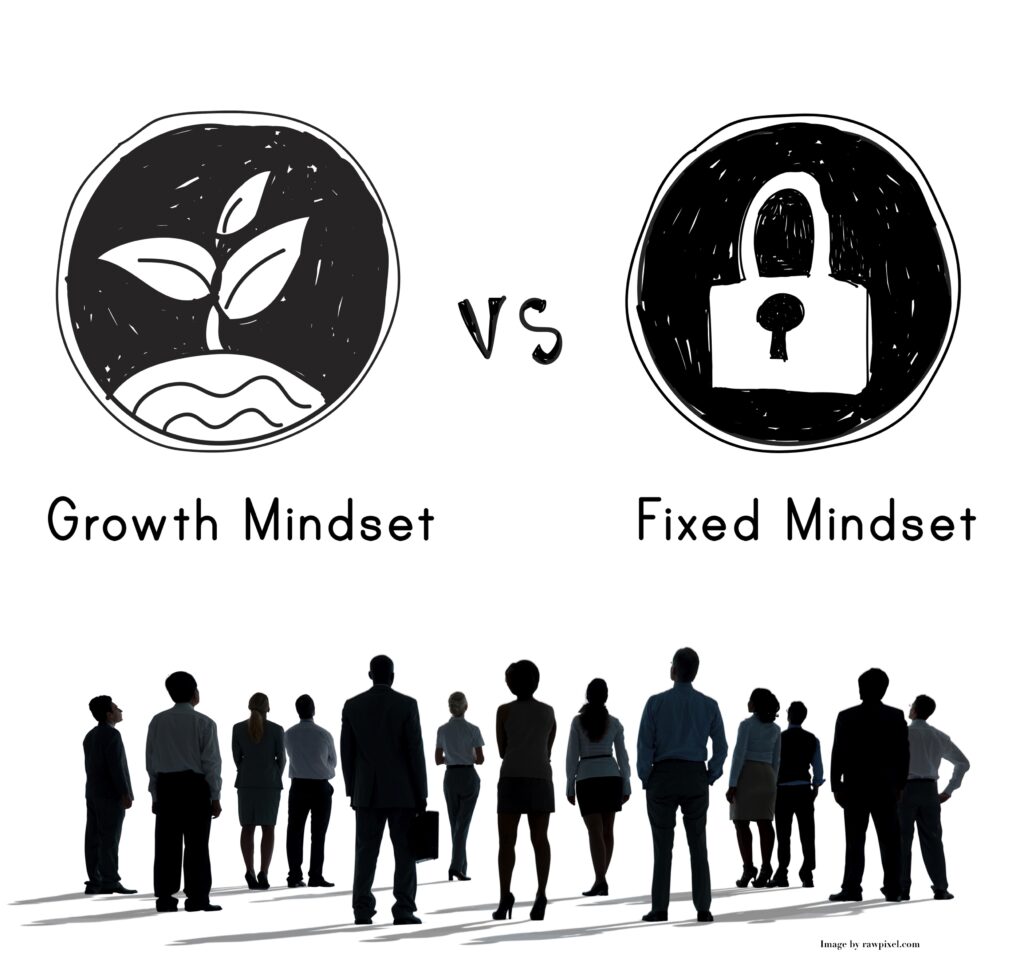
One of the most difficult aspects of being an entrepreneur is your mindset. Bet you didn’t think I’d say that, right? There are a lot of challenges and obstacles when it comes to being an entrepreneur, but every single solution starts in the same place…a growth mindset.  

If you don’t have a growth mindset, every single challenge will be exponentially harder to defeat because you will be meeting that challenge with a never-ending supply of resistance. 


Growth Mindset for your Dental Practice

What’s that saying? “There’s as many as excuses as there are…” you get the idea. If you’re going to scale, grow, expand or do anything of importance for your business, yes dentistry is a business, you’ve got to start at the root of stagnation…your mindset.  

That’s a nebulous, cloudy proposition, though, isn’t it? How do you change your mindset? Glad you asked! There are all kinds of ways to get started in creating a mindset shift. You can read some wonderful books on entrepreneurism and mindset; You can attend lectures, conferences and retreats dedicated to this topic; You can hire a coach; In fact, one of the most effective ways to challenge an old mindset and shift your thinking is by joining a mastermind. More on that a little later.  

All these solutions are effective because they allow you to take action without taking any risks in the business; and they allow you to learn and grow from others who have done exactly what you want to do. These two qualities: action and proximity to opportunity and knowledge help you build the courage to take the risks you need to grow your dental practice organization.

The #1 Strategy for Scaling Your Dental Practice 

I have another strategy for shifting your mindset in addition to the ones above. This strategy allows you to bounce ideas off someone else, just like a mastermind does; you get the opportunity to brush up on new skills, just like going to a retreat or conference would; and this strategy allows you to work on your business, not just in your business, much like working with a coach would.  

But the quality that makes this secret strategy the most effective one is…this strategy will actually make you money as opposed to all the other strategies which will cost you money. Now, tbh, the above strategies are fantastic and effective and the cost is worth the Investment. But this strategy is designed to increase sales, expand your practice and change your mindset. So, what is it?  

If you want to scale your practice, but you can’t even envision what that will look like much less begin executing a plan, start with hiring an associate dentist. Hiring an associate dentist is the fastest way to grow your practice while allowing you the time to evolve your thinking and shift to a growth mindset. How?  

Josh Gwinn, Co-founder, CEO of OPS on the advantages of hiring an associate for your dental practice

Learning to Shift into a Growth Mindset in Your Dental Practice  

With an associate, you will have someone to bounce ideas off of when you start thinking about making changes to your practice. In fact, just making room for an associate may bring up other areas of your practice that need your attention. You may have to do a bit of remodeling; you’ll need to make room on your website for the new addition to your team; this might be a good time to talk about your pricing structures, making sure they’re up-to-date and comprehensive; and the new associate may bring her own ideas and inspirations to the discussions. Opening discussions with your new associate will allow you both to engender trust, share ideas, troubleshoot problem areas and brainstorm on solutions.  

Learn New Leadership Skills for Your Dental Practice 

When you take on an associate, there may be some subtle shifts in the power dynamics within your team structure. This is totally normal. Questions from your team may arise, like, “who do we answer to now?” “Does this mean you are stepping back?” “Are we getting a new hygienist?”  And there will definitely be questions coming from your new associate as well.  

This period of transition offers you an opportunity to step into a leadership role. If you have not already taken on a leadership role in your practice now is the time for you to step up. You went to dental school; you may have started out as an associate yourself; you started your own practice; but all of that doesn’t necessarily allow you to flex your leadership muscles.  

Taking on a new associate means your team just got bigger; you will be looked at to make the big decisions. Your leadership may have up to this point seemed almost like a by-product of your dental practice, a necessary aspect that you need to revisit from time to time. However, with an associate, there will be no mistaking that you are the person in charge, and you are the one who makes the big decisions.  

This can feel uncomfortable at first, but with time, you will accept this new role and more importantly, so will your team and your new associate. Leadership takes practice and having a new associate will allow you to figure out what kind of leadership style fits you best. Enjoy the process and everyone will be that much more comfortable while you grow into your new authority.  

Learning to Delegate will Improve Your Dental Practice 

The last area of growth that comes with taking on a new associate is in delegation. You will now have someone else who can take on more work! This will free up your brain in so many ways. You will finally get the opportunity to start thinking bigger when it comes to your practice. Why? Because now you’ll have the time and mental clarity to start working ON your business, not just IN your practice.  

This is a huge leap forward when it comes to expanding or scaling your practice. Now, you’ll watch the creative juices start flowing when it comes to ways your practice can expand and grow. This will be an exciting time because this is one of the most immediate and expansive results of taking on a new associate. You will suddenly start to look for other ways you can grow your dental practice as well we your mindset.  

Expanding your dental practice = expanding your mindset. You can’t have one without the other. Whether you want to scale your practice by adding new locations or expand your single practice by adding more dentists and operatories, taking the leap and welcoming a new associate will give you the growth mindset you need to achieve your goals and reach your vision. By taking on the responsibility of hiring a new associate to join your team you’re already taking the steps to expand your mindset, and when you expand your mindset, you expand what is possible for your business.  

One More Way to Activate a True Growth Mindset

A growth mindset isn’t just about thinking differently, it’s about giving your ambition a direction. Without clarity, even the most motivated dental entrepreneurs can find themselves working harder without making real progress.

That’s why we created the Extraction GPS. This tool helps you clarify your values, assess where your practice is today, and define a clear path forward, so your growth mindset is supported by a real plan. When you know where you’re going and why it matters, momentum becomes sustainable instead of exhausting.

Scaling your practice requires more than optimism. It requires intention, alignment, and a roadmap that keeps you focused when challenges show up.

Ready to turn your growth mindset into purposeful action?

Follow 3 Principles to Build a Strong Dental Practice Culture: The Power of Mission, Values, and Norms 

You have the power to create a world-class dental practice or dental organization. In this post I’m going to delve into three foundational principles that will allow you to build and run a premier dental organization. Our current economic environment is one filled with incredible opportunities for growth; as well as challenges in keeping talented, committed and passionate staff. To meet that challenge, we must also be mindful as business owners to provide the right conditions for our employees to stick around. Both aspects of running a successful dental practice are a lot to think about, balance and juggle.  

The 3 Drivers of Successful Dental Practice Culture 

So, how do you strike that balance between attacking opportunity and nurturing a thriving organizational culture? It starts with the basics: your mission, your values and your norms. These three foundational elements are the backbone of your decisions, your priority-setting and your business cadence. Without them, your organization runs the risk of being a rudderless ship foundering in the shallows. So, let’s look at each of these principles one by one, starting with your mission statement.  

Your Mission Statement Defines Culture in Your Dental Practice 

Your mission statement serves as the north star for your dental practice. It defines the purpose and direction of your business. This may seem a bit arbitrary for a dental practice, after all the mission is sort of built into your business structure: take care of people’s teeth. But a mission statement encompasses not just what you do but how your company approaches its work, the purpose of your practice’s existence and its overall objectives.  

When writing your mission statement, make it clear, simple and inspirational. Your statement should align your purpose and goal with your values. It should also be imbued with a sense of passion that inspires your team and rallies them around your goal and vision. A mission statement isn’t just for your patients to understand you, it’s for your teams to align themselves with what you want to accomplish.  

Values Set the Tone for Team Culture in your Dental Practice 

Values are the principles by which your actions are guided every day, and they are a reflection of your life and what you hold dear. Your company’s core values are the guiding principles that dictate how your employees and your organization operate. They are the moral compass of your business. One big advantage in defining your values and setting guiding principles is that it gives your employees an understanding of what you expect from them and what they can and should expect from you.  

Defining your company’s core values might be daunting if you don’t have a clear understanding of your own personal values. Harvard Business Review has a step-by-step guide to help you assess your personal values.  

Here are some elements to consider when defining your dental practice’s values:  

  • Identify the values that are most important to your organization (yourself). They could be honesty, innovation, customer-centricity, or any other principles you hold dear. 
  • Integrate your company values into your daily operations. This means that every decision, from hiring to product development, should align with these values. 
  • Communicate your values effectively to your team. Encourage them to embody these values in their work. Spend some time examining where, in your practice, you and your team can incorporate your practice values and make them known to your patients and prospects.  
  • Define your core values to give your teams the knowledge and confidence in knowing how you want business conducted on your behalf. This will instill your teams with confidence and allows your teams the freedom to act according to the roadmap you have given them.

Norms: The Everyday Behaviors That Build Trust, Communication and Cadence in your Dental Practice  

Norms are the behaviors that govern how your teams interact and work within your dental practice. Norms help set the tone for your practice culture. To establish effective norms: 

  • Create norms that promote inclusivity, respect, and collaboration. Encourage open communication and diversity of ideas. This norm allows your team to feel fully engaged and, well, included in the day-to-day execution of your mission.  
  • No sacred cows: Allows anyone on the team to call out behavior, patterns or ideas that aren’t working anymore and bring something new to the table. Practicing allowing everyone on your team to have a voice might take a minute to establish as a norm, but it allows for greater efficiency, communication and creativity.  
  • Consistency is key to all functions of running a smooth dental practice. So, making consistency a practice norm is key to team behavior and practice management.  
  • Adaptability is another norm that encourages creativity, problem-solving, open communication and efficiency. Be open to ideas to reevaluate and adapt systems, operations and functions as your practice grows and evolves. 

Gallup has a wonderful assessment to help you determine and define what norms are currently working in your practice’s team culture and what are not. Having a starting position of current norms allows you to keep what’s working, while building on that foundation to include what might be missing.  

The Synergy of Mission, Values, and Norms for Your Dental Practice Operations

When you combine a clear mission, well-defined values, and strong norms, you create a synergy that transforms your dental practice culture. Aligning your mission, values, and norms fosters a shared sense of purpose and passion among your team. Engagement stays high when employees understand and believe in what your practice stands for and what they’re working toward. This alignment fuels higher productivity, satisfaction, and a culture where everyone is motivated to contribute their best.

A strong, values-driven culture not only attracts and retains top talent, it also enhances your reputation in the community. Over time, this foundation makes your practice more resilient and adaptable, even when circumstances change.

Culture truly is your practice’s identity. It sets the tone for how you do business, how you care for your team, and how you serve your patients. Mission, values, and norms are the building blocks that shape a practice people want to work for and patients want to visit. Invest in nurturing these elements, and you’ll see your practice flourish.

If you’re ready to clarify your practice’s vision, values, and mission and chart a path to your “point B” we invite you to download our free Extraction GPS worksheet.

This step-by-step tool is designed to help dental entrepreneurs like you get clear on what matters most, set a bold vision for your future, and define the concrete goals that will get you there. Use it to bring your leadership team together, make confident decisions, and guide your practice toward long-term success.

Ready to set your destination and accelerate your journey?
Download our Extraction GPS worksheet today and take the first step toward building the dental practice and legacy you truly envision.