
leadership style

The #1 Most Powerful Secret Ingredient for Scaling Your Dental Practice

Are you planning on scaling your dental practice? Whether you are or you’re not, keep reading because I will be making the case for growing your practice no matter what your plans.  

One of the most difficult aspects of being an entrepreneur is your mindset. Bet you didn’t think I’d say that, right? There are a lot of challenges and obstacles when it comes to being an entrepreneur, but every single solution starts in the same place…a growth mindset.  

If you don’t have a growth mindset, every single challenge will be exponentially harder to defeat because you will be meeting that challenge with a never-ending supply of resistance. 
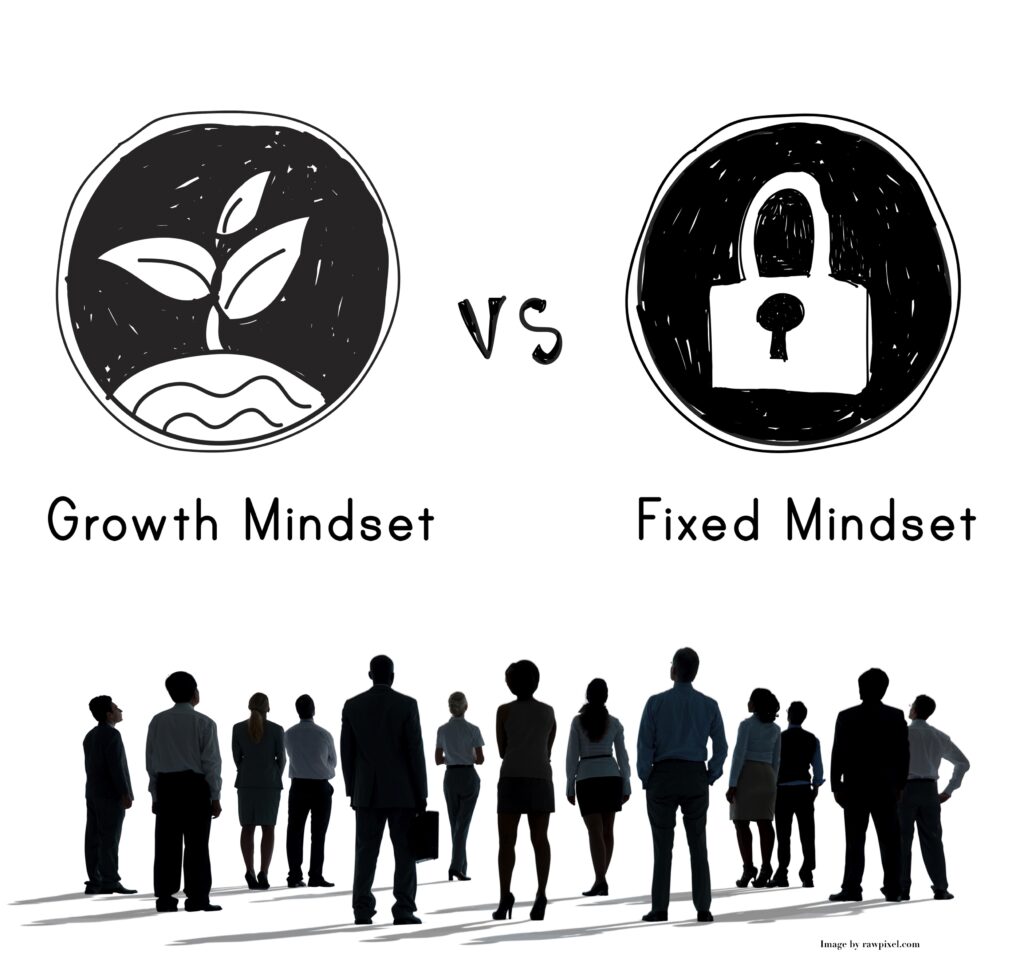
 

Growth Mindset for your Dental Practice

What’s that saying? “There’s as many as excuses as there are…” you get the idea. If you’re going to scale, grow, expand or do anything of importance for your business, yes dentistry is a business, you’ve got to start at the root of stagnation…your mindset.  

That’s a nebulous, cloudy proposition, though, isn’t it? How do you change your mindset? Glad you asked! There are all kinds of ways to get started in creating a mindset shift. You can read some wonderful books on entrepreneurism and mindset; You can attend lectures, conferences and retreats dedicated to this topic; You can hire a coach; In fact, one of the most effective ways to challenge an old mindset and shift your thinking is by joining a mastermind. More on that a little later.  

All these solutions are effective because they allow you to take action without taking any risks in the business; and they allow you to learn and grow from others who have done exactly what you want to do. These two qualities: action and proximity to opportunity and knowledge help you build the courage to take the risks you need to grow your dental practice organization.

The #1 Strategy for Scaling Your Dental Practice 

I have another strategy for shifting your mindset in addition to the ones above. This strategy allows you to bounce ideas off someone else, just like a mastermind does; you get the opportunity to brush up on new skills, just like going to a retreat or conference would; and this strategy allows you to work on your business, not just in your business, much like working with a coach would.  

But the quality that makes this secret strategy the most effective one is…this strategy will actually make you money as opposed to all the other strategies which will cost you money. Now, tbh, the above strategies are fantastic and effective and the cost is worth the Investment. But this strategy is designed to increase sales, expand your practice and change your mindset. So, what is it?  

If you want to scale your practice, but you can’t even envision what that will look like much less begin executing a plan, start with hiring an associate dentist. Hiring an associate dentist is the fastest way to grow your practice while allowing you the time to evolve your thinking and shift to a growth mindset. How?  

Josh Gwinn, Co-founder, CEO of OPS on the advantages of hiring an associate for your dental practice

Learning to Shift into a Growth Mindset in Your Dental Practice  

With an associate, you will have someone to bounce ideas off of when you start thinking about making changes to your practice. In fact, just making room for an associate may bring up other areas of your practice that need your attention. You may have to do a bit of remodeling; you’ll need to make room on your website for the new addition to your team; this might be a good time to talk about your pricing structures, making sure they’re up-to-date and comprehensive; and the new associate may bring her own ideas and inspirations to the discussions. Opening discussions with your new associate will allow you both to engender trust, share ideas, troubleshoot problem areas and brainstorm on solutions.  

Learn New Leadership Skills for Your Dental Practice 

When you take on an associate, there may be some subtle shifts in the power dynamics within your team structure. This is totally normal. Questions from your team may arise, like, “who do we answer to now?” “Does this mean you are stepping back?” “Are we getting a new hygienist?”  And there will definitely be questions coming from your new associate as well.  

This period of transition offers you an opportunity to step into a leadership role. If you have not already taken on a leadership role in your practice now is the time for you to step up. You went to dental school; you may have started out as an associate yourself; you started your own practice; but all of that doesn’t necessarily allow you to flex your leadership muscles.  

Taking on a new associate means your team just got bigger; you will be looked at to make the big decisions. Your leadership may have up to this point seemed almost like a by-product of your dental practice, a necessary aspect that you need to revisit from time to time. However, with an associate, there will be no mistaking that you are the person in charge, and you are the one who makes the big decisions.  

This can feel uncomfortable at first, but with time, you will accept this new role and more importantly, so will your team and your new associate. Leadership takes practice and having a new associate will allow you to figure out what kind of leadership style fits you best. Enjoy the process and everyone will be that much more comfortable while you grow into your new authority.  

Learning to Delegate will Improve Your Dental Practice 

The last area of growth that comes with taking on a new associate is in delegation. You will now have someone else who can take on more work! This will free up your brain in so many ways. You will finally get the opportunity to start thinking bigger when it comes to your practice. Why? Because now you’ll have the time and mental clarity to start working ON your business, not just IN your practice.  

This is a huge leap forward when it comes to expanding or scaling your practice. Now, you’ll watch the creative juices start flowing when it comes to ways your practice can expand and grow. This will be an exciting time because this is one of the most immediate and expansive results of taking on a new associate. You will suddenly start to look for other ways you can grow your dental practice as well we your mindset.  

Expanding your dental practice = expanding your mindset. You can’t have one without the other. Whether you want to scale your practice by adding new locations or expand your single practice by adding more dentists and operatories, taking the leap and welcoming a new associate will give you the growth mindset you need to achieve your goals and reach your vision. By taking on the responsibility of hiring a new associate to join your team you’re already taking the steps to expand your mindset, and when you expand your mindset, you expand what is possible for your business.  

One More Way to Activate a True Growth Mindset

A growth mindset isn’t just about thinking differently, it’s about giving your ambition a direction. Without clarity, even the most motivated dental entrepreneurs can find themselves working harder without making real progress.

That’s why we created the Extraction GPS. This tool helps you clarify your values, assess where your practice is today, and define a clear path forward, so your growth mindset is supported by a real plan. When you know where you’re going and why it matters, momentum becomes sustainable instead of exhausting.

Scaling your practice requires more than optimism. It requires intention, alignment, and a roadmap that keeps you focused when challenges show up.

Ready to turn your growth mindset into purposeful action?

A Place for Finding Extraordinary Meaning in Your Dental Practice: 4 Areas to Ponder

Do you ponder the true meaning of what you do as a dental practice owner? I am always pursuing new approaches to leadership and discovering new ideas on that theme. I take leadership in business seriously because I have seen the effects of both positive and negative leadership styles on teams, service and business performance. There is no denying that positive, healthy, inclusive and supportive leadership styles lead to greater cohesion, productivity, loyalty and longevity within companies. So, I am always on the lookout for new ideas and explorations on the theme of servant leadership.  

That search has brought me here to tell you about this wonderful little book, The Paradox of Personal Meaning by Dr. Kent M. Keith. Dr. Keith is considered an expert on servant leadership and its role and application in business and entrepreneurialism. He’s written several books on the topic of servant-leadership and edited a new release of The Servant as Leader known as The Contemporary Servant as Leader by Robert K. Greenleaf, the essential essay for anyone interested in servant-leadership.  

Dr. Keith’s book is a thought-provoking exploration of the human quest for personal meaning in an increasingly complex world. The book challenges conventional wisdom and offers fresh perspectives on this timeless and existential topic. Dr. Keith wrote the Paradox of Personal Meaning in 1968 and its idea, lessons and examples have endured for more than 50 years. Dr. Keith asks the reader to examine what she or he truly values and to weigh that against the ephemeral promises of the superficial trademarks of success: fame, money and power. What do you truly value? Is it important enough to keep doing it in the face of adversity anyway?  

Finding meaning in your dental practice

The Search for Personal Meaning: Can You Apply This in Your Dental Practice?  

Dr. Keith begins by examining the age-old question of whether life has inherent meaning or if it’s our responsibility to create it. He explores various philosophical and psychological theories on the subject and takes readers on an intellectual journey through several perspectives on the concept of meaning. The book dives into the works of renowned thinkers such as Viktor Frankl, Jean-Paul Sartre, and Albert Camus, who have all grappled with the question of whether life has intrinsic meaning or if it’s a blank canvas awaiting our strokes of purpose. 

 One compelling argument the author presents is that personal meaning is a dynamic and evolving construct. It suggests that the search for meaning isn’t a one-time revelation but an ongoing process that adapts to the changing circumstances and stages of our lives. This viewpoint challenges the notion of a fixed, predetermined purpose and encourages readers to engage actively in crafting their own meaning. I love this idea so much. I’m not the same person I was when I bought my first dental practice and my worldview has changed immensely over time, so why wouldn’t my sense of meaning and what brings me fulfillment also change?  

The Role of Suffering and Adversity as a Dental Practice Entrepreneur 

A significant part of the book delves into the idea that personal meaning often emerges from suffering and adversity. The author argues that our most profound growth can occur during life’s most challenging moments. 

There is a seemingly paradoxical relationship between suffering and personal meaning. The author argues that, counterintuitively, some of our most profound moments of personal growth and self-discovery often arise from the crucible of suffering and adversity. It’s a hard thing to admit, isn’t it? Some of our most valuable life moments come from our deepest wounds. And it is these wounds that, many times, give people their greatest purpose in life.  

The book highlights how confronting life’s hardships can lead to a deeper understanding of oneself and a heightened sense of purpose. Dr. Keith suggests that it is precisely in these moments of struggle that individuals have the opportunity to tap into reservoirs of inner strength and resilience.  

One of my most grim experiences was during the first 3 months of opening my very first practice. My office manager decided my leadership style and the team I was building had no place for her and she walked out. I was left with an insurance billing system I had no clue how to operate or even figure out.

After six months of nights and weekends poring over the books and figuring out how the system worked, I went to my cousin who helped me build the software I needed to systematize and digitize our billing system. I also made the decision to never hire another person who didn’t share my values. I was building a practice and a team based on the values I hold dear to this day: communication, transparency, dedication, teamwork, trust, etc. I needed to surround myself with colleagues who shared my vision and values.  

That was an expensive, heartbreaking and adverse experience that has never been repeated in my life. I took that lesson and made it a cornerstone of my learning and my life and that is reflected today in my partner, my team and the people we work with at Optimize Practice Services. I’m forever grateful for that adversity early on.  

Connection and Relationships at the Office 

The book emphasizes the importance of meaningful connections with others as a source of personal meaning. It discusses how our relationships and interactions contribute to our sense of purpose and underscores the significance of meaningful connections with others in the quest for personal meaning. It delves into the idea that our relationships and interactions with family, friends, and society at large play a pivotal role in shaping our sense of purpose. 

The exchange of ideas, emotions, and shared experiences contribute greatly to a richer and more meaningful life. It invites readers to reflect on the impact of their relationships and how they can nurture and foster connections that align with their values and aspirations.  

And this isn’t limited to homelife. We can and must do this in our work and our entrepreneurial endeavors. Afterall, many times, especially when we are building our practices, we are spending more time at work with colleagues and patients than we do at home with family and friends. Having strong social ties (even at work) has been shown to increase health and longevity. So, why not utilize that valuable time to enhance your ability to live a longer, healthier life?  

Authenticity and Self-Discovery as a Dental Practice Entrepreneur  

Throughout the book, the concept of authenticity is central. It encourages readers to engage in self-reflection and self-discovery to uncover their true passions and values and, ultimately, their personal meaning. 

The author provides practical exercises and prompts to assist readers in this journey of self-discovery. These exercises encourage individuals to explore their core beliefs, identify their strengths and weaknesses, and envision a life that aligns with their authentic selves.  

Believe it or not, I encourage my teams to pursue these lines of self-discovery as well. We use tools like Gallup’s CliftonStrengths and others to discover how best to work in teams and enhance each other’s strengths. These kinds of pursuits are personally enlightening but they also create greater team cohesion, unity and trust. I urge you to take some time to discover your full potential with these types of tools and enhancements even within your own dental practice and amongst your teams.  

I’ve created some of my own because I have found these commandments to be a sense of inspiration, passion and creativity for me. Here are a few I’ve created:

  • If you do good, people will accuse you of selfish ulterior motives. Do good anyway.
  • If you do good, people will accuse you of selfish ulterior motives. Do good anyway.
  • The good you do today will be forgotten tomorrow. Do good anyway.
  • The biggest men and women with the biggest ideas can be shot down by the smallest men and women with the smallest minds. Think big anyway.
  • People favor underdogs but follow only top dogs. Fight for a few underdogs anyway.

Finding Extraordinary Meaning in Your Dental Practice

The search for meaning is deeply personal. No framework, book, or philosophy can define it for you. Tools and perspectives can illuminate the path, but ultimately, meaning is shaped by how you interpret your experiences and the intention you bring to them.

That pursuit has been a lifelong journey for me. Through every success and every perceived failure, I’ve chosen to reflect deeply, asking not just what happened, but what it meant and where it was leading me. That reflection has shaped my leadership, my work, and the life I continue to build.

If you’re feeling called to clarify what your work means, to you, your team, and the legacy you want to leave, having structure can help turn reflection into direction.

That’s why we created the Extraction GPS. This tool helps dental entrepreneurs clarify their values, define their current reality, and articulate a clear vision for the future, so purpose isn’t just something you feel, but something you actively build toward.

A meaningful practice doesn’t happen by accident. It’s designed with intention.

Ready to clarify what truly matters and chart a purposeful path forward?
Download the Extraction GPS and begin shaping a dental practice, and a life, aligned with meaning, intention, and long-term fulfillment.

The Power of Authentic Partnership for Your Dental Practice, Part 3: Building Your Culture 

In your dental practice, culture is king. When I first met Jack Bayramyan, I was skeptical. A dental practice owner, I could tell right away that he was a nice person, but I had no idea what he valued, what his priorities were or the vision he wanted to achieve. However, all that changed during the course of a day.  

What started out as an intro meeting with Jack and bankers about money and investment, eventually turned into a meandering discussion between Jack and I about culture. In the video below, you’ll see, at one point during that pivotal day, Jack asked me aside for a private conversation. I assumed he just wanted to get to know me, so I obliged because I was interested in the same thing.  

Sitting in a room full of bankers or investors, the discussions tend to focus on one thing: money. But Jack was savvy enough to look beyond those discussions and I was curious as well. During that private conversation, I really got to know Jack, the human being. And maybe even more importantly, I got to know how he worked as an entrepreneur.  

In Your Dental Practice Culture Begins with You 

I’m a talker. I love to talk, but I think that is a by-product of my real passion, which is teaching. Teaching requires two fundamental components: talking and listening. So, in my initial private conversation with Jack, I went first. I opened up and spoke from the heart about the things that mattered most to me in my organization, what did I have to lose?  

I spoke about my values, my goals, and most importantly to me, the culture of my company and how it was created. And I’m glad I had the courage to open up and speak on that level to someone I had just met. Turns out, he shared my opinions on those topics and was inspired to speak from the heart as well. We found we had three primary areas of focus when it came to building an organization: 

  • Culture is foundational to a company, no matter how successful or not 
  • Culture is built by the people and teams that use it 
  • Culture is transformed over time by these relationships 

Any organization, whether it is successful or not, is built on the foundation of the culture of the people that work in that organization. You can have a counterproductive culture built on the naked ambition of the people working within that culture. But you can also build an organization on a culture of compassion, open-mindedness and balance. Many times, it is the values of the leader that begin and build that culture. But if you have an absent CEO, or a leader whose values are based in, say, greed, selfishness and a “my way or the highway” attitude, that will be the driving foundation of the culture that is built.  

So, as a dental entrepreneur, if you want a culture that reflects your values, you need to show up and pay attention to your leadership style, your willingness to change and your focus on a growth mindset. If you’re not paying attention to these things, your dental practice’s culture will be formed by the dominant personalities within your organization. That may or may not be a good thing, but it won’t be intentional.  

Who is Going to Drive Your Vision in Your Dental Practice?  

The second area of focus as a leader is learning to pay attention. You may be intentional in the values and tone you set to build that culture, but it will ultimately be your teams living and working within the framework of that culture that will build and expand upon it.  

So, it’s your job to continually observe, listen and speak from an intentional position. You can’t just build the foundation of something and walk away expecting people to just pick it up and run toward the finish line. As a leader in your dental practice, you must pay attention to the tone you set and the tone your teams keep: are they in alignment? And if not, it’s your job to get your teams refocused on the tone and values you’ve set. For us, at OPS this comes in the form of weekly check-ins and a weekly company huddle as well as quarterly meetings keeping us focused on our vision and culture.  

You may have a very clear vision of where you want to take your organization, but if you don’t have buy-in from your team, you won’t get there. And buy-in comes from team members who want to see you, their organization and themselves succeed. If they don’t have hope that they will succeed, if they feel your eye is not on the ball or if they feel they ‘re just clocking into a job with no future for them, they won’t have the cohesion to rise to the level you need to reach your goals. It starts with you.  

Finally, the third focus is learning to stay aware of how culture transforms over time. It is the relationships within your organization that will dictate how this culture changes and adapts as your dental practice grows and expands. How your culture changes and adapts is dependent on the top team members and how they translate your values and vision company wide. 

If you’re not checking in with your leadership teams regularly and mentoring their leadership styles and directives, the culture you meticulously built in the beginning will erode over time and collapse even as your organization expands and grows. That’s where a lot of scaling organizations run off the tracks, because they can’t contain the fallout that permeates the culture through its growth.  

It Always Starts at the Top in Your Dental Practice 

So, whether you’re building the culture, choosing the people who will live in that culture or caring for it over time, it is your attention and focus on the culture staying healthy, nimble and cohesive that will steer the ship toward your vision.  

And this is what I found out during my conversation that day with Jack. He shared that same level of attention to culture that I have. He knows that to reach his vision he needed a healthy, strong cohesive team and he knew that team had to last the distance to eventually reach his vision. By the time we met, he had reached his vision, so he had a roadmap of leadership style. It wasn’t just about our shared values; it was about having the mindset of attention to culture where we found common ground.  

Your Vision for Your Dental Practice 

Authentic partnerships only work when leaders are clear on their own vision. As Jack and I have both experienced, finding your voice as a leader, and having the confidence to stand behind it, is pivotal to scaling successfully and choosing the right partners along the way.

At Optimize Practice Alliance, part of our role is helping dental entrepreneurs clarify that vision and lead from it with intention. Growth mindset, leadership style, and strategic direction all intersect here. Without clarity, even well-intentioned partnerships can drift. With clarity, alignment becomes possible.

That’s why we created the Extraction GPS. This tool helps dental practice owners define what truly matters to them, assess where their practice is today, and map a clear path forward, so every major decision, including partnership, supports the future they want to build.

Your vision should lead the way.

Ready to clarify your vision and guide your practice forward with confidence?
Download the Extraction GPS and start building a roadmap that supports intentional leadership, aligned partnerships, and sustainable growth.

Using Tactical Negotiations in Your Dental Practice: The 3 Most Powerful Steps I’ve Learned 

Do you negotiate in your dental practice? Of course, you do. You negotiate with vendors over prices and cost; you negotiate with team members over hours and productivity; you negotiate with partners over the direction of your practice, etc. Then you come home from work and negotiate with your wife, your kids and even the dog. Every is always negotiating all the time over everything. Now, here’s my next question: are you a successful negotiator?  

Well, what does it mean to be a successful negotiator? Does it mean always winning the negotiation? If you were that ‘successful’ everyone would hate you and no one would want to work, live, play or get walked by you. So, that’s not really success, is it? 

Now, I consider myself a lucky and successful person. And I’m actually a good negotiator. After all, I scaled and sold and very successful dental practice organization and now I’m building another one. In my business, as in my life, I negotiate all the time. Recently, I’ve learned some powerful strategies for negotiating from none other than Chris Voss and I would like to share those strategies with you.  

Principles for Successful Negotiating in Your Dental Practice 

So, who’s Chris Voss? For many years, Chris was the lead kidnapping negotiator for the FBI as well as the FBI’s hostage negotiation representative for the National Security Council’s Hostage Working Group. Prior to that, he spent 14 years as a member of the New York City Joint Terrorist Task Force and was the lead case agent on several high-profile terrorist cases. He has spoken and taught at some of the world’s most important schools, programs and forums, including Harvard, USC, the G8, and many others. And he is the founder and CEO of The Black Swan Group.  

One of the most important principles I learned from Chris is that to have truly powerful negotiations, you want to make sure everyone wins. I love this principle because it means that you recognize that negotiations are really about relationships. The people you negotiate with are not people you will walk away from and never see again, typically. The people that you and I negotiate with are typically people we live with and work with daily, weekly, monthly, etc. So, you don’t want to be burning bridges just to get the best of someone in a negotiation. In fact, a good negotiation should lead to the next negotiation if you’re building a lasting relationship.  

You may be interested in this video:  

3 Tactical Negotiation Strategies for you, the Dental Entrepreneur 

  • 1. Tactical Empathy:

The first strategy discussed by Chris Voss is Tactical Empathy. He emphasizes the importance of understanding the other party’s perspective and emotions during a negotiation. By actively listening and acknowledging the emotions and concerns of the other person, negotiators can build rapport and establish a foundation for constructive dialogue. Tactical empathy enables negotiators to gain valuable insights into the motivations and desires of the opposite party, ultimately leading to more successful outcomes. 

For instance, the next time you’re in discussions with your dental assistant because he is asking for more time off, try actively listening to why he needs or wants that time off. And then acknowledge that his reasoning is valid. If he wants more than you can afford right now, you can say something like, “I understand that you need more time off for rest and having more balance and fun in your life. I get that. I want that for you. Right now, the numbers don’t add up for all that you’re asking but why don’t we start with half the time you’re asking and then revisit this in six months. How does that sound?”  

  • 2. Mirroring:

The second technique highlighted in the webinar is Mirroring. Mirroring involves subtly imitating the body language, tone of voice, and certain key phrases used by the other person. This technique creates a sense of familiarity and trust, making the other party more comfortable and receptive to the negotiation process. By mirroring, negotiators can establish a connection that facilitates smoother communication, trust between parties and helps to build a positive relationship. 

This one is tricky because you don’t want to feel like you’re manipulating the other person just to get what you want. However, if you’re in a negotiation with a vendor and maybe she’s a tough negotiator, you want to walk away just as happy as she does, right? Learn to match her tone of voice. You can also repeat a key phrase you notice that she uses. Again, this strategy provides smoother communication with someone who is actively looking for the best deal for them.  

  • 3. Labeling:

The third strategy presented by Chris Voss is Labeling. Labeling involves verbally acknowledging the emotions or concerns of the other party. By giving voice to the feelings that the other person may be experiencing, negotiators can demonstrate empathy and validate the emotions. This technique not only diffuses tense situations but also allows negotiators to gain greater control over the negotiation process. 

Say, you’ve got a patient who needs extensive work but is balking at that prospect. Wonderful! Take a moment to discover why they are hesitant. Is it money? “We can work out terms that work for you.” Or “I can speak with your insurance to let them know this is necessary.”  

Maybe their issue is fear around the procedures, the pain involved, the recovery time, how much time off work, etc. This is the opportunity for you to lay their fears to rest by explaining everything involved and putting them at ease.  

Be A Better Negotiator, Leader and Entrepreneur for Your Dental Practice

You may already be using some of these negotiation strategies instinctively. By making them intentional habits, you dramatically increase their effectiveness. Whether you’re negotiating with team members, partners, vendors, or even patients, these approaches help you build rapport, trust, and mutual understanding, without escalating tension or compromising your values.

What I’ve found over time is this: these strategies don’t just make you a better negotiator. They make you a better leader. A better entrepreneur. A better teammate. When you learn to see the situation from the other side of the table, acknowledging concerns, motivations, and constraints, conversations shift from adversarial to productive.

That’s exactly why we created the DESC Coaching Template. This tool gives dental practice owners a simple, repeatable framework to navigate difficult conversations with clarity and confidence. It helps you describe behaviors objectively, express impact, specify expectations, and communicate outcomes, so negotiations lead to alignment, not resentment.

These skills become especially critical when you’re scaling your dental practice, negotiating partnerships, or managing growth-related change. Clear communication is what allows you to walk away with outcomes that serve both the business and the people involved.

Ready to strengthen your negotiation and leadership conversations?
Download the DESC Coaching Template and start leading discussions that create trust, accountability, and win-win outcomes.

The Power of Authentic Partnership for Your Dental Practice, Part 2: Are Shared Values Enough?

Do you own a dental practice? Are you looking for a partner? Keep reading… I knew that Jack Bayramyan’s organization was a cut above. I would be lucky to partner with him. His organization had the chops: standardization, the organization, teamwork, team culture and optimized systems. No other company we looked at was even near the level of optimization and expertise that Kids Dental Place was providing to its patients.  

What I didn’t know about Jack was his level of commitment to that optimization, service and culture. I didn’t know until I got into a room with him and sat down and spoke with him. From his telling all I wanted to talk about was his team culture, how he built it, the values he used to guide his team building efforts, etc. And that tracks. As the CEO of several healthcare companies, I’ve spent a lot of time thinking about these very subjects for myself and my teams. It’s a very important piece of leadership for me. But it isn’t for everyone.  

Many leaders, CEOs and executives don’t give a hoot about those questions or intricacies of an organization when they start talking about partnership to outside investors. And that’s fine. But a word of warning, don’t go into partnership with one of them if they don’t match your values, interests or commitment.  

When looking for a partner for your dental practice, look for someone who shares your values, your leadership style and your interest in team building as a priority and a commitment. So, how do you do that and is that enough?  

Are Shared Values Enough for a Dental Practice Partnership?   

But are shared values and an interest in team culture enough for a partnership? As you heard in the video, they are most definitely not. I went in, excited to meet Jack and find out more about his company. Then almost like a first date, we just started talking and couldn’t stop. I could tell we shared a lot of the same passions around cohesive team structure, service excellence, leadership style. But during the interview I found out he wasn’t expecting to stick around. That came as a shock to me, and I needed to dig in and find out more.  

So, we sat in that room, and I got to the bottom of what Jack’s plans, goals and ultimate vision for his life and organization actually were before taking the next steps. And that’s my advice to you. Don’t stop talking to prospective partners. Find people that match your interests, goals and passions. Discuss all those fun topics, but don’t stop there. Dig into the hard conversations. It’s important to ask hard questions to gauge and know where they’re at and what they want and be honest with where you’re at and what you want. Here are some great examples of hard questions to ask your prospective partners:  

Questions to Ask As a Dental Entrepreneur:

  • What are your 3-5 year goals for your company?  
  • What are your 3-5 year goals for yourself, personally?  
  • Are you interested in scaling your business?  
  • What does your personal and executive calendars look like?  
  • How many hours a week do you work?  
  • How many hours a week do you want to work in the future?  
  • What are your professional values for your company?  
  • What personal values overlap with your company values?  
  • What is your leadership style?  
  • Who are your business heroes?  
  • Who are your personal heroes?  

Some of these questions will come up naturally during the course of your conversations and some of them will need to be prompted and pointedly asked. But that’s ok. It’s kind of like going on a date and gauging whether this will be a person you will spend the rest of your life with. Will you have kids with this person? Do they want kids? What values will you instill in them? Etc.  

If you’re looking for a partner whose only value is the money they can put on the table, then honestly, that’s not a terribly hard search. They may or may not accept an offer from you but finding those kinds of partners is not difficult. What’s difficult is meeting and connecting with someone who shares your vision, values and commitment to building something that becomes a legacy, not just a cash cow.  

When Is it Not Enough for Your Dental Practice?  

Shared values matter, but values alone aren’t enough. Authentic partnership requires alignment around vision, direction, and where you’re ultimately trying to take the organization. You have to know your own Point B before you can evaluate whether someone else belongs on the journey with you.

That clarity didn’t fully emerge for Jack until he stepped back and asked the harder questions—not just about potential partners, but about himself. What did he really want his role to be? What future excited him? What was no longer acceptable? Once those answers became clear, partnership stopped feeling like a compromise and started feeling like an opportunity.

That’s why we created the Extraction GPS. This tool helps dental entrepreneurs clarify their values, define their current reality, and articulate a clear vision for where they’re going, so partnership decisions are made intentionally, not emotionally or reactively. When your Point B is clear, it becomes much easier to recognize whether someone else is truly aligned with that future.

Authentic partnerships aren’t rushed. They’re chosen.

Considering a partner for your dental practice or organization?
Download the Extraction GPS to get clear on what you want, what you don’t, and what a true partnership should support before you move forward.

At Optimize Practice Alliance, we believe the future of dentistry belongs with dentists and that future is best built through clarity, alignment, and shared vision.

The Power of Authentic Partnership for Your Dental Practice, Part 1: Finding the Ideal Partner

When is it time to start thinking about partnership as a dental entrepreneur? When my partner, Jack Bayramyan, was ready to start looking for funding for his vision for scaling his previous organization, Kids Dental Place, he ended up “kissing a lot of frogs.” But the challenges didn’t start there. Let’s back up. Dr. Jack had reached the capacity of what he was capable of delivering as a leader. How did he know that and what gave him the ability to be that honest with himself about next steps for his dental practice organization?  

He had looked around, realized the ground was fertile for a partnership and he was inspired to meet the challenge of creating and collaborating within the boundaries of a true partnership organization, one that put the dental entrepreneur at the center of his vision and strategic plan for growth.  

When he began to build upon his vision, he soon realized that growing his vision to scale was beyond his capacity to do it alone. He needed a partner. So, how do you know it’s time for a partner?  

Jack Bayramyan in his own words –

Designing Your Vision to Scale Your Dental Practice 

How did Jack know it was time to bring a partner into the process? He started with a vision. Jack took the time to write his vision out, fully fleshing out his ideas, his goals and his current Point A, where he was starting from and what he was starting with.  

Once he had fully engineered a vision for his company, seeing on paper the list of assets he currently had, seeing the challenges he faced in scaling, and seeing exactly where he wanted to go, his Point B, he had the realization that he couldn’t do it alone.  

This was a big realization. Assessing your business, while also assessing your own talents, leadership capabilities and skillset takes a certain amount of courage and humility. It’s very easy, as an entrepreneur, to get into an “I can do it by myself” mentality. But this flexion point, where your business is growing slightly beyond your capacity to continue to shepherd that growth, is where many entrepreneurs get stuck and then they get overwhelmed.  

The risk of not being honest with yourself and trying to keep doing it all alone is that in your state of overwhelm, you may take on a partner that is not the best fit for your practice.  

Realizing you need a partner only comes after assessing your true point A, the assets you have access to and where you want to go. Once those questions have been answered and you can soberly look at the state of your company or vision on paper and you’ll know whether you need a partner to help you scale. You gotta write it down to make an honest assessment.  

A Vision for Scaling Your Dental Organization. Now What?  

Jack had the vision, but he also knew vision alone wasn’t enough. With a growing organization and significant payroll obligations, he needed capital, leadership, and scalable business systems. What he didn’t need was a partner who only cared about money.

As he met with investors, something became clear: while plenty were interested in the numbers, very few were interested in values, leadership philosophy, or long-term alignment. The conversations felt transactional, not intentional and that wasn’t the future Jack was building.

So he did something most people don’t. He stepped back.

Before choosing a partner, Jack reassessed his goals, clarified what truly mattered to him, and decided that alignment, not urgency, would guide his next move. That decision became a turning point, and it sets the stage for Part 2 in this series on the power of partnership.

This is exactly why we created the Extraction GPS. This tool helps dental entrepreneurs clarify their values, define their current reality, and map a clear path forward, so major decisions like partnerships, scaling, or capital infusion are made with confidence and intention, not pressure.

Partnership works best when both sides want the same future.

Thinking about partnership or scaling your dental practice organization?
Download the Extraction GPS to clarify your Point A, define your vision for Point B, and ensure any future partner aligns with what truly matters to you.

At Optimize Practice Alliance, we believe the future of dentistry belongs with dentists and that future is built through clarity, alignment, and intentional leadership.